Behind the Welcome Mat: The Real Story of What It Takes to Run a Great Vacation Rental
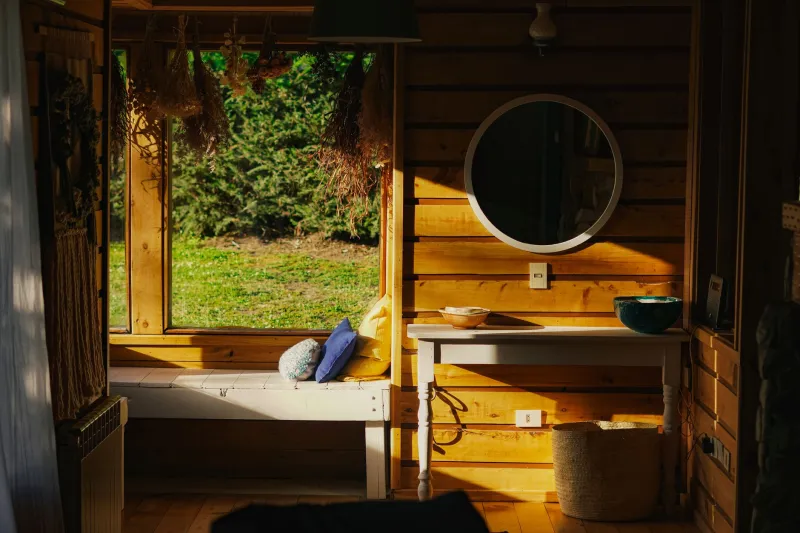
You've just walked into a beautifully stocked mountain retreat. There's a welcome basket on the counter, freshly laundered towels folded in the bathroom, and a handwritten note pointing you toward the best local breakfast spot. It feels effortless — almost like the place was waiting just for you.
But here's the thing: it didn't happen by accident, and it definitely wasn't free.
Vacation rental hosting is one of those industries that looks simple from the outside and turns out to be anything but. Most guests never think twice about what's happening behind the scenes, and honestly, why would they? You're on vacation. But spending a few minutes understanding the real world of hosting can shift your perspective in a meaningful way — and it might even make your trip better.
The Bill That Never Stops Coming
Let's start with money, because that's usually where the surprises live.
When a host sets a nightly rate, they're not just pocketing that cash. A significant chunk goes straight to platform fees, which can run anywhere from 15 to 25 percent depending on the booking service. Then there's property insurance — not your standard homeowner's policy, but specialized short-term rental coverage that tends to cost considerably more. In many US states, hosts are also required to collect and remit occupancy taxes, which adds another layer of administrative work on top of everything else.
And that's before a single guest ever checks in.
Mortgage or property taxes, utilities, Wi-Fi (which guests absolutely expect to be fast and reliable), streaming service subscriptions, pest control, seasonal HVAC maintenance, landscaping — the list compounds quickly. Hosts in colder climates deal with winterization costs. Hosts near the coast factor in humidity damage, salt air corrosion, and the occasional tropical storm preparation. Running a rental property in America is genuinely regional in its challenges.
The Cleaning Situation Is More Complicated Than You Think
Cleaning fees get a bad rap. Guests see the charge, compare it to a hotel that doesn't add one, and feel a little frustrated. That frustration is understandable — but the math behind it is worth knowing.
Professional vacation rental cleaners aren't just running a vacuum and calling it done. A thorough turnover between guests involves stripping and laundering all linens, sanitizing every surface, restocking consumables like soap, paper towels, and coffee, checking for damage, replacing anything broken or missing, and resetting the entire space to its listed condition. For a larger property, that process can take four to six hours and involve multiple people.
In popular rental markets like the Smoky Mountains, Lake Tahoe, or the Florida Gulf Coast, cleaning crews are in high demand and short supply. Hosts often pay premium rates to secure reliable teams, especially during peak seasons when back-to-back bookings leave almost no buffer time. When you see a cleaning fee, you're mostly seeing labor — and labor has gotten more expensive across the board.
Wear, Tear, and the Unexpected
Every host has a story. The couch that got inexplicably stained. The screen door someone walked through. The guest who thought a decorative throw pillow was fair game to take home. These things happen, and while most guests are genuinely careful, the cumulative effect of dozens of strangers using a space throughout the year adds up fast.
Hosts typically set aside a portion of their rental income specifically for repairs and replacements. A good mattress needs replacing every few years under heavy use. Kitchen appliances wear out faster. Outdoor furniture takes a beating from weather and foot traffic. Even small things — a missing TV remote, a broken cabinet hinge, a shower head that stops working — require someone's time and money to fix before the next guest arrives.
The hosts who do this well treat their properties like a small business, because that's exactly what it is.
Time Is the Invisible Expense
Money aside, hosting is a time-intensive commitment that most guests never consider. Responding to booking inquiries, managing calendars, coordinating with cleaners and maintenance workers, handling last-minute issues, writing and updating listings, responding to reviews — it's a part-time job at minimum, and for hosts managing multiple properties, it's a full-time one.
When a pipe bursts at 11 PM on a Saturday in a rental in Asheville, someone has to deal with it. When a guest locks themselves out at midnight, someone picks up the phone. That someone is usually a real person who also has a life outside of hosting — and they're showing up anyway because their reputation and their guests' experience depend on it.
What This Means for You as a Traveler
None of this is meant to make you feel guilty for booking a vacation rental or negotiating on price. It's just context — and context changes things.
When you understand what goes into a well-run property, a few things start to make more sense. The cleaning fee feels less arbitrary. The house rules about shoes indoors or no parties suddenly read as reasonable rather than uptight. The request to start a load of towels before checkout seems less like an inconvenience and more like a small courtesy.
Being a thoughtful guest doesn't require grand gestures. It looks like this:
- Communicating clearly. If something breaks or isn't working, let your host know promptly rather than leaving it as a surprise in the review.
- Following the checkout instructions. They exist to help the cleaning crew do their job efficiently, which keeps the whole system running.
- Treating the space like you'd want your own home treated. That's really the whole philosophy in one sentence.
- Leaving an honest review. Hosts rely on reviews to attract future guests and improve their properties. A few genuine sentences go a long way.
The Properties Worth Returning To
Here's what all of this points toward: the vacation rentals that feel special — the ones you tell your friends about and rebook year after year — are almost always the result of a host who genuinely cares and works hard to maintain that standard. That effort has a cost, and the properties that absorb it without cutting corners tend to be the ones that deliver the experience you were hoping for.
At HiBnB, we think about this a lot. The best stays happen when there's a real relationship between travelers and the people who open their spaces to them. Understanding each other's side of that equation is a pretty good place to start.
So next time you walk into a place that feels like someone put real thought into it — they probably did. And that's worth something.