The Driveway Dilemma: What Every Renter Should Know About Parking Before They Book
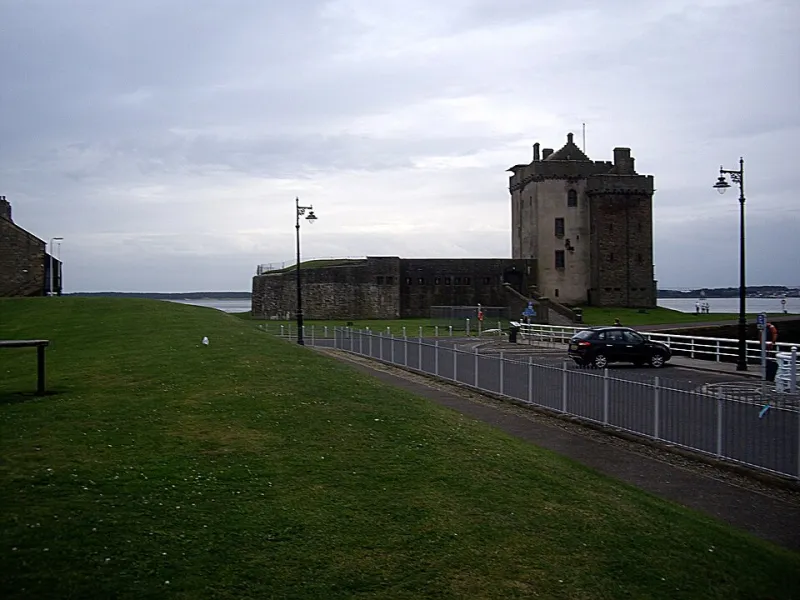
Photo: Stanley Howe , CC BY-SA 2.0, via Wikimedia Commons
You've found it. The perfect rental. Wraparound porch, fire pit, a two-minute walk to the water. You hit book, pack the SUV, drive six hours... and discover that the only legal parking spot within a quarter mile belongs to somebody's grandmother.
It happens more than you'd think. Parking might be the single most under-discussed detail in vacation rental listings, and in car-centric America — where most of us arrive with a vehicle no matter what — it can genuinely wreck a trip. Fines, tows, angry neighbors, a mile-long trudge with beach chairs. None of it shows up in the photo gallery.
Why Listings Go Quiet on Parking
Hosts aren't usually hiding anything maliciously. Many genuinely don't think about parking because it's never been a problem for them — they live locally, or they walk everywhere. Others inherit a property and have never once parked a car there themselves.
But the gap between a host's experience and yours can be huge. A host in a quiet residential neighborhood might not realize the street sweeping schedule tickets every Tuesday. A beach town owner may have forgotten that the free lot two blocks away turns into paid-permit-only from Memorial Day through Labor Day.
The Permit Zone Problem
Plenty of popular American destinations — think Rehoboth Beach, Nantucket, parts of the Outer Banks, mountain towns like Breckenridge — use residential permit parking to keep tourist cars from flooding local streets. As a renter, you are not a resident. Your out-of-state plates announce exactly what you are.
Some towns offer visitor permits or temporary passes; others don't. Some rentals come with transferable guest permits; many don't. This is exactly the kind of thing to ask about before booking, because the answer can add $50–150 to your week in permit fees — or force you into a paid lot across town.
HOA and Condo Rules: The Silent Tow Threat
Here's the scenario that ruins vacations fastest: you park in what looks like an open spot in the complex, go inside, and come back to a tow truck. Homeowners associations and condo boards often have aggressive towing contracts, guest registration requirements, limits on how many vehicles a unit may have, and rules against trailers, boats, or oversized vehicles.
If your rental is in an HOA or condo community, ask specifically:
- How many vehicles are allowed per unit, and where do they go?
- Is there guest registration or a parking pass to display?
- Are there restrictions on trailers, RVs, or roof boxes?
- What are the tow enforcement hours? (Spoiler: often overnight and holidays.)
Off-Street vs. On-Street: Know What You're Getting
"Parking available" covers a lot of ground. A private two-car garage is a different universe from "street parking, first come first served." If the listing doesn't specify, that vagueness itself is information.
Off-street spots — driveways, garages, carports — are the gold standard, especially in winter, when some mountain towns actually require you to remove street-parked vehicles for snow plows. On-street parking in a dense beach town during peak season is a competitive sport. Ask how late at night you can realistically expect to find a spot if you're returning from dinner.
The Questions to Send a Host Before You Book
Copy these into a message:
- How many cars can I park, and exactly where?
- Is the parking off-street, or on-street? Is it reserved or open?
- Do I need a permit, pass, or guest registration? Is it provided?
- Are there any seasonal rules — snow removal, summer permit zones, street cleaning?
- Any HOA or building rules I should know about, including towing?
- Where would a delivery driver or rideshare drop me off?
A good host answers these easily and appreciates the thoughtfulness. A host who can't or won't answer is telling you something too.
One Last Tip: Check the Town, Not Just the Listing
Most municipalities publish parking rules online, including permit programs, seasonal restrictions, and free public lots. Ten minutes on a town's official website — or a quick scan of recent visitor reviews mentioning parking — will tell you more than any listing description.
Your car is usually the second-biggest expense of an American vacation. Make sure it has somewhere to sleep, too.