Cold Weather, Warm Deals: The Case for Planning Your Next American Vacation in Winter
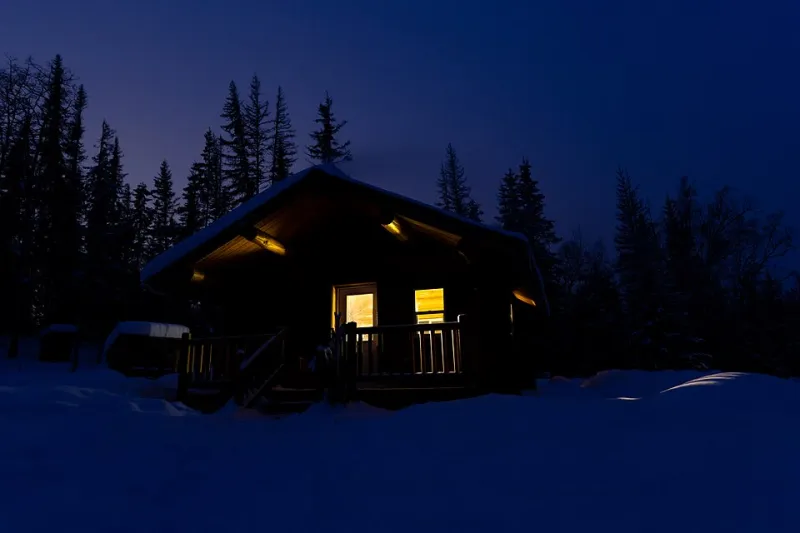
Photo: USFWSAlaska, Public domain, via Wikimedia Commons
Somewhere right now, a savvy traveler is strolling through a national park with zero crowds, paying half what they'd spend in July, and staying in a stunning cabin rental that was completely booked solid all summer. That traveler figured out something the rest of us are slow to catch on to: winter is actually a fantastic time to explore the United States.
We've been conditioned to think of summer as the default vacation season — school's out, the weather's warm, everyone hits the road. But that collective instinct is exactly what makes summer travel exhausting and expensive. When you swim against the current and plan your getaway between November and March, the rewards are real and surprisingly significant.
The Numbers Don't Lie
Let's talk money, because that's usually where the conversation gets interesting. Vacation rental rates in popular destinations can drop anywhere from 20 to 50 percent during the off-season. That beach house in the Outer Banks that costs $4,000 a week in August? You might snag it for $1,500 in January. The cozy mountain lodge near Asheville that's perpetually waitlisted from Memorial Day through Labor Day often has wide-open availability come February.
Beyond the nightly rate, you're also looking at cheaper flights, easier restaurant reservations, and attractions that actually have room for you. Add it all up and a winter trip can cost dramatically less than its summer equivalent — which means you can either pocket the savings or splurge on a nicer place to stay. We're fans of the latter.
Where to Go: Winter Destinations Worth Booking Now
The Gulf Coast, Year-Round Warm and Winter-Quiet
Destinations like Gulf Shores, Alabama, Pensacola, Florida, and the Mississippi Gulf Coast offer mild temperatures even in the heart of winter — think highs in the 60s, plenty of sunshine, and beaches that are genuinely walkable without a crowd in sight. Snowbirds have known about this for decades. The rest of us are just catching up.
The Southwest's Hidden Season
Sedona, Arizona and Santa Fe, New Mexico hit their stride in winter. Sedona's red rock formations look almost otherworldly against a dusting of snow, and the summer heat that makes hiking miserable in August is completely gone. Rental prices drop, the vortex sites are uncrowded, and the restaurant scene — excellent year-round — becomes actually accessible without a two-hour wait.
New England's Quiet, Charming Off-Season
Most people think of New England in fall foliage season or summer, but coastal towns like Kennebunkport, Maine and Newport, Rhode Island have a completely different personality in winter. The tourist infrastructure is scaled back, yes — but that's part of the charm. Quaint inns offer off-season rates, local restaurants are full of actual locals, and the rugged, moody coastline in January is genuinely beautiful in a way that summer photos never quite capture.
Mountain Towns Built for Snow
This one might feel obvious, but it's worth saying: if you've never done a proper ski-town winter rental, you're missing out on one of the best American travel experiences going. Places like Breckenridge, Colorado, Lake Tahoe, California, and Park City, Utah transform into full-throttle winter destinations with après-ski culture, cozy rental properties with hot tubs and fireplaces, and that specific magic that only happens when a mountain town is in its element. Even if you don't ski, these towns are worth visiting — snowshoeing, sleigh rides, and simply sitting by a fire with a good book count as a vacation too.
The Crowd Factor Is Bigger Than You Think
Here's something that's hard to appreciate until you've experienced it: the absence of crowds doesn't just make things more convenient — it fundamentally changes the quality of the experience.
Walking through Zion National Park in February, when the canyon walls are dusted with snow and you can hear the river instead of other people's conversations, is a completely different trip than the shoulder-to-shoulder summer version. Visiting New Orleans during a quiet January week means you get the food, the music, and the culture without the sensory overload of peak tourist season. Even Disney World — famously crowded year-round — has measurable slow periods in January and February when wait times drop significantly.
The bottom line is that the places you love, or the places you've always wanted to visit, are often better when fewer people are there. Winter is frequently when that window opens.
Practical Tips for Making Your Winter Trip Work
Check what's actually open. Some seasonal destinations genuinely do shut down in winter — certain beach towns, state parks with weather-dependent access, and small-town shops that rely entirely on summer tourism. Do a quick search before you book to confirm that the restaurants and activities you're counting on will be operating.
Pack for variability. Even warm-weather winter destinations can have cool mornings and evenings. Layering is your best friend regardless of where you're headed.
Book early for ski towns. The off-season logic doesn't apply everywhere — ski resorts are a peak-season destination in winter, and the good rental properties still go fast. If you're heading somewhere snow-focused, book ahead.
Look for mid-week stays. Winter weekends can still get busy in popular spots, especially around holiday weekends. A Tuesday through Friday rental often gets you the best combination of low rates and light crowds.
Ask your host about the season. One of the underrated perks of booking through a platform like HiBnB is direct access to hosts who actually know their area. A good host can tell you which local restaurants are open, what the roads are like, and what's worth doing in winter specifically — intel that no travel guide can match.
The Mindset Shift That Changes Everything
Planning a winter vacation asks you to let go of the idea that a great trip requires perfect beach weather or a packed social calendar. Some of the best American getaways are fundamentally about slowing down — reading by a fire, exploring a town at your own pace, eating unhurried meals, and actually resting.
Winter travel rewards that mindset more than any other season. The pace is slower, the pressure is lower, and the experience tends to stick with you in ways that a rushed, crowded summer trip often doesn't.
So if you've been eyeing a destination but dreading the summer chaos, consider flipping your calendar. The off-season secret is out — but there's still plenty of room for you.